Arkansas Roof Replacement Cost: Late-2026 and 2027 Planning Guide
An Arkansas roof replacement cost depends on the roof itself, the scope of the work, and the details discovered during inspection.
September 25, 2026 · 7 min read
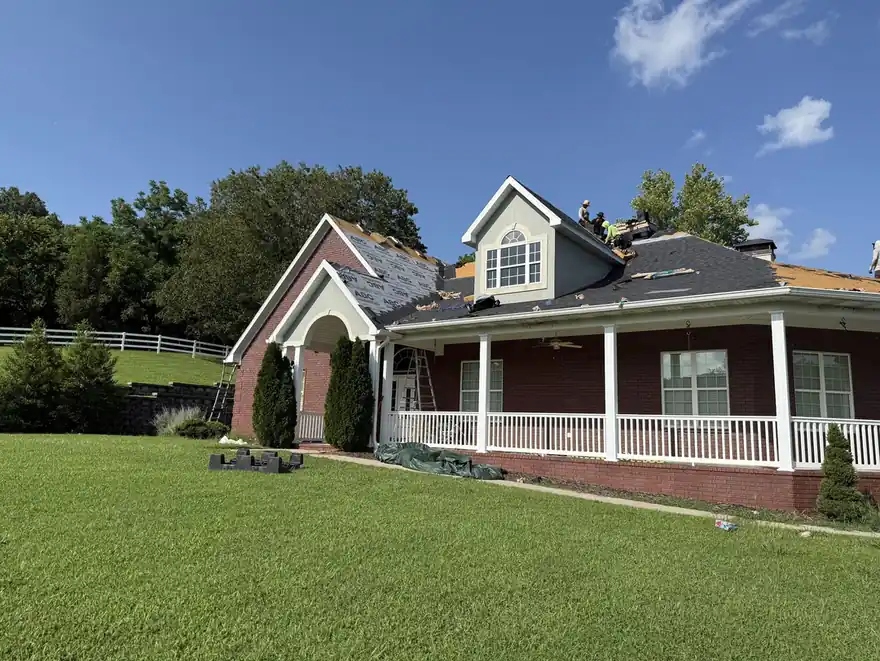
An Arkansas roof replacement cost depends on the roof itself, the scope of the work, and the details discovered during inspection. A useful starting point is Richardson Roofing’s roof replacement service page, which explains the replacement process before an estimate is prepared.
Homeowners often ask for one statewide number, but a single figure can hide the details that change a project’s real cost. Roof area, slope, material, tear-off work, decking condition, flashing, ventilation, access, permits, and documented storm damage can all affect the scope. This guide explains how to compare estimates, plan a late-2026 or 2027 project, and avoid surprises after work begins.
Why There Is No One Arkansas Roof Replacement Price
Every roof has its own dimensions, materials, and access conditions. A simple gable roof and a steep roof with multiple valleys, dormers, skylights, and penetrations may require very different amounts of labor and material, even if the homes have similar floor plans. Local permit fees, disposal arrangements, delivery access, and weather windows can also affect a project.
Material lead times and labor conditions can change from year to year. For broad industry context, Roofing Contractor’s 2026 State of the Roofing Industry Report discusses continuing concerns around material costs, labor, and project planning. That does not establish a local roof price, but it explains why an estimate should be current, detailed, and tied to the actual property.
The Main Cost Factors
A professional roof inspection helps identify the condition factors behind a quote. The estimate should explain what is known before work begins and which items may require adjustment once the existing roof is removed.
Roof Size, Pitch, and Complexity
Roofing contractors measure the roof surface rather than the home’s square footage. Estimates commonly use roofing squares, with one square equal to 100 square feet of roof area. A larger roof requires more material and labor, while a steep or multi-level roof usually requires additional safety measures and more time.
Complexity also changes the scope. Valleys, hips, chimneys, skylights, pipes, walls, and changes in roof plane require flashing, sealing, cutting, and additional labor. Those details also create more material waste than a simple roof shape.
Material and System Choice
Material selection is one of the largest cost variables. Asphalt shingles are a common residential option because they offer familiar appearance and a broad range of product choices. Architectural shingles, premium shingles, metal roofing, stone-coated metal, and low-slope systems each have different material, labor, and detailing requirements.
A metal roof can have a higher initial cost than an asphalt-shingle roof, but the right choice depends on the building, budget, roof geometry, and expected service life. Richardson Roofing’s metal roofing information gives homeowners a closer look at metal systems, finishes, and related considerations.
Tear-Off, Decking, Flashing, and Ventilation
A full tear-off adds labor and disposal costs, but it also reveals the condition of the roof deck. Damaged, delaminated, or water-affected sheathing may need replacement before new roofing materials can be installed. That is one reason an estimate should state how decking repairs are handled if they are discovered after tear-off.
Flashing and ventilation are also part of the roof system, not optional extras. Flashing at walls, pipes, valleys, and transitions helps direct water away from vulnerable areas. Ventilation details can affect attic moisture and shingle performance. If either area needs correction, it can change the final scope.
Storm Damage and Insurance Documentation
Hail and wind damage can change the financial picture of a roof project. When insurance is involved, accurate photographs, dates, inspection findings, and a clear scope of work help homeowners understand what needs repair or replacement. Coverage depends on the policy and the cause of the damage, so an inspection should document the roof condition without assuming a claim outcome.
Planning a 2027 Roof Replacement Budget
Late 2026 is a useful time to prepare for a 2027 roof replacement, but broad construction forecasts should not be treated as a local roof-price quote. The American Institute of Architects’ Consensus Construction Forecast expects modest overall building growth in 2027, with commercial-facility activity projected to rise more than the broader market. For homeowners, the practical lesson is to request a current itemized scope rather than rely on an old proposal or a generic average.
Regional construction activity can also affect scheduling, access, and coordination with other property work. ConstructConnect’s Southern construction forecast anticipates uneven but continuing activity through 2027. It is not an Arkansas roof-cost forecast, but it supports early planning when a replacement needs to align with exterior repairs, tenant schedules, equipment access, or other building work.
For a 2027 budget, separate fixed costs from condition-dependent costs. The selected material, known roof area, base labor, disposal, and visible flashing needs may be identified in the initial scope. Decking repair, concealed moisture damage, ventilation changes, permit requirements, and difficult access conditions may need confirmation during the project. A reliable proposal explains how those items will be handled.
What an Itemized Roofing Estimate Should Explain
A useful estimate should be easy to compare with another proposal. It should identify the measured roof area, material system, tear-off assumptions, underlayment, flashing, ventilation, disposal, payment terms, expected timing, and known permit responsibilities. It should also state what is excluded and how change work is priced.
An estimate does not need to predict every concealed condition, but it should explain the process for addressing a deck repair or other necessary work found after tear-off. That makes it easier to compare proposals fairly and to have informed insurance conversations when a covered loss may be involved.
Repair Versus Replacement and the Cost of Waiting
A targeted repair can make sense when damage is localized and the remaining roof life is acceptable. Replacement may be the better financial decision when the roof has widespread deterioration, repeated leaks, significant storm damage, or multiple system failures. Richardson Roofing’s roof repair versus replacement guide provides a useful framework for evaluating those paths.
Waiting on a failing roof can increase the eventual scope. Water intrusion may lead to more decking replacement or interior repairs. Delayed reporting can also complicate insurance conversations after a storm event. The answer is not to replace every aging roof immediately. It is to base the decision on documented condition and a clear inspection finding.
How to Prepare for a Roof Replacement Estimate
Before scheduling an estimate, collect prior repair invoices, warranty documents, and any information about the current material. Note the approximate roof age and photograph visible concerns from the ground. Prepare questions about materials, ventilation, warranties, disposal, and the process for handling decking repairs.
An inspection allows the contractor to measure the roof, assess visible conditions, and prepare a scope that is more useful than a rough guess. If the property has experienced a recent storm, share the relevant dates and any photographs you already have.
Questions to Ask Before Comparing Roofing Quotes
Ask whether the estimate is itemized by material and labor, whether it includes tear-off and disposal, how decking repair is priced, which warranties apply, who handles permit responsibilities, and whether cleanup is included. You should also ask how change work is approved if additional repair needs are discovered during the project.
When you are ready to discuss a project-specific scope, use Richardson Roofing’s contact page to request an itemized estimate rather than relying on a generic statewide price figure.
Frequently Asked Questions
Can You Tell Me the Average Cost to Replace a Roof in Arkansas?
There is no single Arkansas average that applies accurately to every property. Roof replacement costs in Arkansas vary with size, pitch, material, tear-off needs, decking condition, ventilation, access, and the details identified during inspection. A current estimate should explain those factors for the individual roof.
How Long Will a Roof Replacement Take?
A single-family reroof can take one to several days, depending on roof size, complexity, weather, material availability, decking repairs, inspections, and permit processing. The contractor should explain the expected schedule and the factors that could affect it.
Will Insurance Cover a Roof Replacement?
Coverage depends on the policy terms and the cause of the damage. If you suspect hail or wind damage, schedule a documented inspection and contact your insurer for policy-specific guidance. Do not assume that any visible roof issue is covered.
Is Metal Roofing Worth the Higher Initial Cost?
Metal roofing can offer a longer service life and different performance characteristics, but it also has a different initial cost and installation scope. Compare the system to asphalt shingles based on the property, the roof design, the budget, and the long-term maintenance plan.
Do I Need a Permit for Roof Replacement?
Permit requirements depend on the jurisdiction and scope of the work. Confirm local requirements with the building department and ask whether the contractor will handle permit responsibilities in the project scope.
Get an Itemized Roof Replacement Estimate for Your Arkansas Property
A late-2026 or 2027 roof plan should start with the condition of the existing roof, not a generic price range. Use Richardson Roofing’s contact page to request an inspection and an itemized estimate that distinguishes known work from condition-dependent items.
Richardson Roofing, (479) 361-8621
Call (479) 361-8621More articles
Should You Restore or Replace a Metal Roof?
A metal roof that is structurally sound with isolated problems can often be restored through targeted repairs, sealant and fastener replacement, panel patching, and in some cases refinishing.
How Thick Is R-30 Insulation?
R-30 describes thermal resistance not a fixed thickness.