Should You Restore or Replace a Metal Roof?
A metal roof that is structurally sound with isolated problems can often be restored through targeted repairs, sealant and fastener replacement, panel patching, and in some cases refinishing.
September 18, 2026 · 6 min read
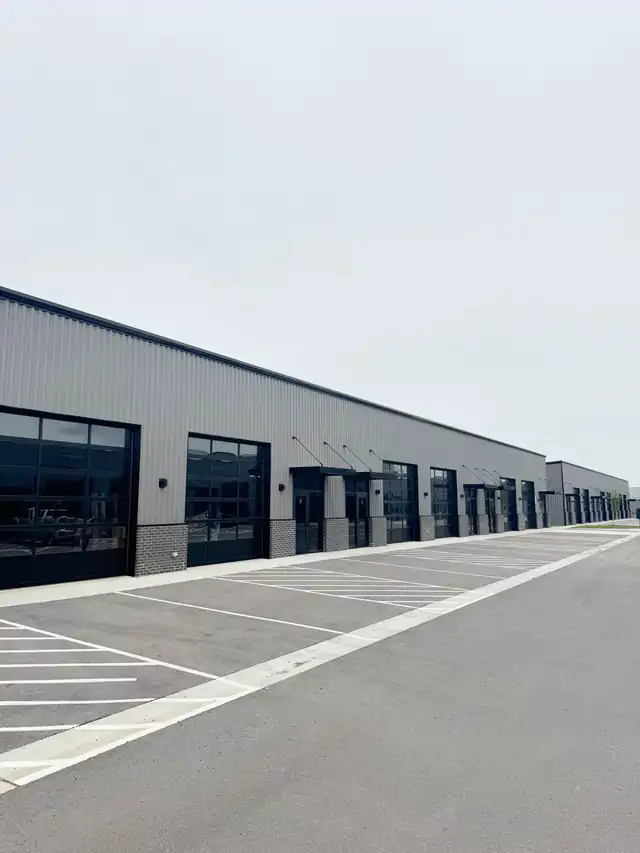
A metal roof that is structurally sound with isolated problems can often be restored through targeted repairs, sealant and fastener replacement, panel patching, and in some cases refinishing. Widespread corrosion, sustained moisture in the roof assembly, compromised deck structure, or repeated failures usually tip the balance toward full replacement. A professional, condition-based inspection focused on panels, corrosion, fasteners, seams, penetrations, flashing, moisture, and deck condition will clarify whether to restore or replace.
Deciding whether to restore or replace a metal roof starts with a condition-first assessment. Metal roofs come in many panel profiles, substrates, and factory finishes. Some problems are straightforward to repair. Others indicate systemic deterioration that will keep costing time and money if you only patch them. This guide walks through what metal roof restoration can include, the signs that make a roof a candidate for restoration, the red flags that favor replacement, and the trade offs around cost, disruption, and expected service life.
What Metal Roof Restoration Can Mean
For an industry explanation of when an existing metal roof may be a restoration candidate, see GAF’s metal roof restoration versus replacement guide.
“Restoration” is an umbrella term. For metal roofs it can include one or more of the following, depending on the roof and the chosen approach
- Local panel repairs or panel replacement for damaged or split panels
- Fastener replacement and re-securing loose panels
- Sealing or reworking seams and penetrations to stop leaks
- Flashing repair or replacement at edges, curbs, and roof-to-wall transitions
- Surface preparation and field-applied coatings or repainting where allowable and effective
Restoration is most successful when the roof assembly is dry, the substrate is stable, and corrosion is either absent or limited to small areas. For a commercial perspective on when restoration is a viable alternative to replacement, see the GAF metal roof restoration guide that compares restoration and replacement approaches and conditions for success.
Note: field-applied coatings and specific restoration systems have manufacturer requirements and limitations. Confirm whether a contractor, like Richardson Roofing, provides or subcontracts coating services before assuming that a coating is part of your solution. Richardson Roofing does offer inspections and repair or replacement assessments to help you choose the right scope.
Signs a Metal Roof May Be a Restoration Candidate
Consider restoration when problems are localized, the roof structure is sound, and warranties or coating compatibility are not voided. Watch for:
- Intact panels with limited surface wear or minor paint chalking
- Small areas of isolated corrosion that can be cut out and patched without affecting adjoining panels
- A majority of original fasteners still holding, with only a modest number of loose, backed-out, or failed fasteners
- Seams and penetrations that can be resealed instead of requiring panel replacement
- No persistent moisture in the roof assembly or signs of deck rot
If the issues are primarily serviceable fasteners, caulk and sealant failure, or a handful of damaged panels, targeted repairs plus a system of preventive maintenance often restores weather tightness and extends service life. For readers weighing coating or repainting options as part of restoration, consult the GAF overview to understand when coatings can add years versus when they only mask deeper problems.
Signs Metal Roof Replacement May Be the Better Choice
Some conditions indicate that restoration would be a short-term fix or an unsafe choice. Replace rather than restore when you see one or more of the following.
Corrosion and panel condition
- Widespread through-thickness corrosion or perforation across multiple panels
- Long runs of panel degradation that compromise structural capacity or fastening points
- Loss of factory protective finishes across the roof that exposes the base metal to accelerated corrosion
Flashing, fasteners, seams, and penetrations
- Recurrent fastener failures or fastener pattern issues that require wholesale re-fastening
- Multiple failed seams, hem separations, or ridge conditions where resealing would be extensive and unreliable
- Complex penetration failures at curbs, vents, skylights, or rooftop equipment that show repeated leaks even after repairs
Moisture, deck condition, and repeated leaks
- Evidence of standing moisture within the roof assembly or insulation that cannot be dried by normal ventilation
- Structural deck rot, corrosion of supporting members, or insulation deterioration that requires replacement of the roof deck
- A history of repeated leaks despite repairs, which signals systemic issues rather than isolated defects
When the roof assembly is saturated, the deck is compromised, or corrosion is pervasive, replacement is safer long term. Replacement also allows upgrading to a different panel profile, substrate, or factory finish when that is desired or required.
Restoration vs. Replacement: Questions About Cost, Disruption, and Service Life
Cost
- Restoration is usually less expensive upfront, but savings depend on the extent of repairs and whether coatings are appropriate. Restoration that uncovers hidden damage can escalate in cost.
- Replacement has higher initial cost but resets the clock for service life and may reduce maintenance and leak-related costs.
Service life
- Restoration can add a meaningful number of years when used on sound assemblies. The exact extension depends on substrate, finish, and repairs performed.
- Replacement delivers the manufacturer-rated life of the new system and the certainty of a full warranty where applicable.
Disruption and schedule
- Restoration typically causes less disruption than a full tear-off and replacement. However, some restoration work, such as re-fastening or panel replacement, can still require temporary access restrictions.
- Replacement can be more disruptive but resolves multiple failure modes at once and may be required to meet updated code, insurance, or occupancy needs.
Warranty and resale value
- Restoration may preserve existing warranties if work follows manufacturer instructions and materials. Field-applied coatings can affect warranties so get documentation from both the coating system and roof manufacturer.
- Replacement offers new manufacturer and installer warranties that can be advantageous for resale or for properties with tenant obligations.
How a Professional Evaluation Helps Decide
A professional evaluation focuses on objective, measurable conditions: panel substrate and thickness, fastener performance, seam integrity, flashing condition, evidence of moisture, and the deck condition. A good inspection will:
- Document panel profiles, finishes, and age
- Identify the extent and location of corrosion and failed components
- Use moisture scanning or intrusive checks where warranted to detect hidden wet insulation or deck damage
- Produce a clear recommendation that outlines repair scope, probable service-life extension, and a replacement alternative with pros and cons
If you have a commercial roof, a contractor with commercial roofing experience can evaluate system-level issues such as rooftop equipment penetrations, traffic routes, and long-run drainage. Richardson Roofing’s metal roofing services can help frame the next step. Commercial property owners can also review the commercial roofing page when building operations affect the scope. Request an inspection today.
Frequently-Asked Questions
- Can a metal roof always be recoated instead of replaced?, No. Recoating works when panels and underlying substrates are sound, and when the manufacturer and coating supplier allow field-applied coatings over the existing finish. Recoating will not stop through-thickness corrosion or repair a wet roof assembly.
- How do I know if corrosion is repairable?, Repairability depends on the type, extent, and location of corrosion. Isolated surface rust or small perforations often can be patched. Widespread pitting, edge corrosion at laps, or rusted fastener zones that affect many panels usually indicate the need for replacement.
- Will replacing fasteners be enough to stop leaks?, Replacing failed fasteners helps when leaks are caused by backed-out or deteriorated fasteners. If seams, flashing, or panel deformation are also involved, repairs beyond fastener replacement are needed.
- Does restoration affect roof warranty or insurance?, It can. Some manufacturer warranties are voided by improper coatings or unapproved repairs. Insurers may require replacement if the roof condition is known to cause recurrent claims. Always document recommended repairs and verify warranty and insurance impacts before proceeding.
- What is the first step if I am unsure?, Schedule a condition-based roof inspection. An inspection documents current conditions and gives you a repair scope and a replacement alternative so you can compare costs, downtime, and long-term performance.
Get an Honest Assessment Before You Commit to a Metal Roof Scope
If your property has an existing metal roof and you are weighing restore or replace metal roof options, start with a professional inspection that documents panels, corrosion, fasteners, seams, penetrations, flashing, moisture, and deck condition. Request a no-obligation roof inspection and repair-or-replacement assessment at our roof inspection page or contact us through our main contact page. We will provide a clear, documented recommendation so you can make the right decision for durability and budget.
Richardson Roofing, (479) 361-8621
Call (479) 361-8621More articles
Arkansas Roof Replacement Cost: Late-2026 and 2027 Planning Guide
An Arkansas roof replacement cost depends on the roof itself, the scope of the work, and the details discovered during inspection.
How Thick Is R-30 Insulation?
R-30 describes thermal resistance not a fixed thickness.