Best Low-Slope Roofing Materials for Arkansas Homes and Buildings
Match material to slope, drainage, roof use, and system compatibility rather than choosing by name alone.
August 8, 2026 · 7 min read
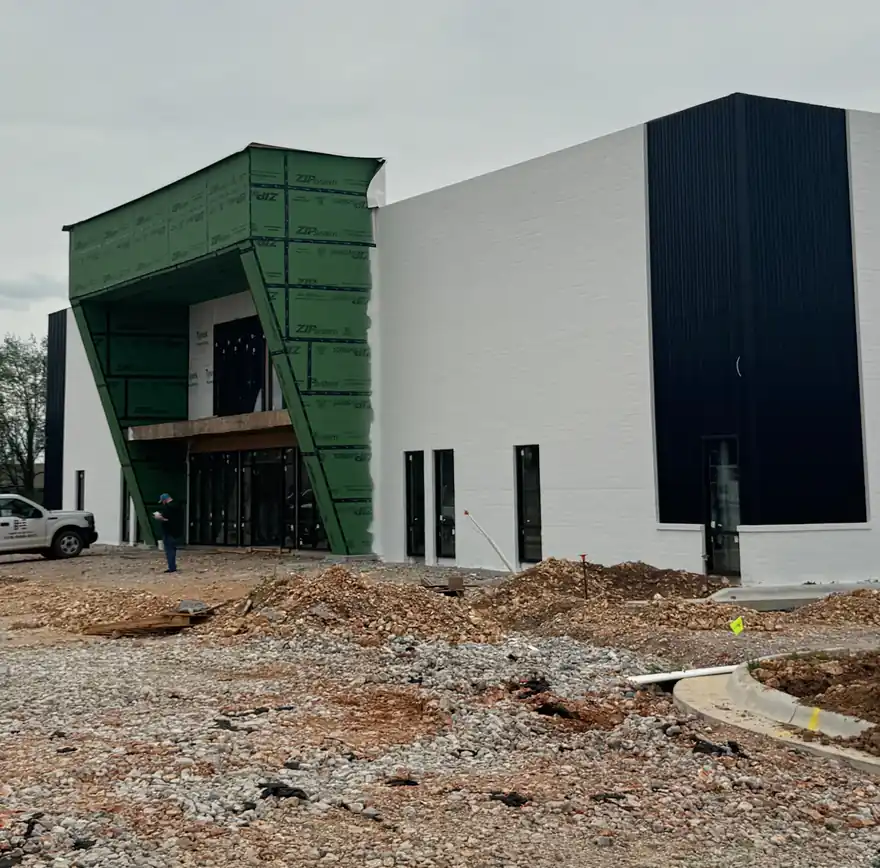
Match material to slope, drainage, roof use, and system compatibility rather than choosing by name alone. Low-slope areas need membranes, built-up systems, or properly applied metal and fluid-applied products that handle slower drainage and ponding risk. Before choosing, confirm positive drainage, evaluate deck condition and penetrations, and consider foot traffic and roof access. Use this guide to compare types of low slope roofing materials and to map common Arkansas roof situations to candidate systems. Always schedule a professional roof inspection before committing to a system or material change.
Low-slope roofs behave very differently from steep shingle roofs. Water drains more slowly, seams and flashings see continuous exposure, and small deck issues can become large leaks. This guide explains what defines a low-slope roof, what matters when selecting materials, the common material families used in the field, and how to match options to common Arkansas roof conditions. It complements the existing parapet and drainage detail guidance in the parapet guide for wall and scupper-specific details.
What Counts as a Low-Slope Roof?
In plain language, a low-slope roof is one where water does not sheet-off quickly. Roof pitch is often expressed as rise over run. Industry practice commonly treats roof slopes below about 3:12 as low-slope, with anything approaching flat being 1:12 or less. On these roofs, water can pond in shallow depressions unless the design provides positive drainage and well-sized drains or scuppers.
Why that matters
- Slow drainage increases the time seams, flashings, and roof penetrations are wet.
- Ponding water adds weight and accelerates membrane wear.
- Materials that rely on gravity shedding water, like standard asphalt shingles, are not appropriate where water can sit.
Because local climate and building use affect performance, slope is the first filter but not the only one when selecting a system.
What Matters Before Choosing a Low-Slope Roof Material
Choosing the best roofing material for a low slope roof is not just about brand or price. Use these three decision drivers first.
Positive drainage and ponding water
Ensure the roof has positive slope to drains or scuppers. If the roof shows existing ponding, determine whether it is caused by as-built slope, blocked drains, or structural deflection. Ponding affects both material selection and warranty eligibility. Some systems and manufacturers limit coverage on roofs with persistent ponding.
Deck condition, penetrations, and edge details
The roof deck must be sound and dry before installing a new membrane. Multiple penetrations, rooftop units, curbs, and parapet walls require durable flashing details. Edge conditions, coping, scuppers, and gutters, must be coordinated with the membrane interface, especially at parapet walls covered in the parapet guide.
Building use and foot traffic
Roof access patterns matter. A roof with frequent maintenance traffic or rooftop equipment benefits from more durable surfaces or walkway pads. If the roof will be used for mechanical equipment, photovoltaic arrays, or terraces, choose a system with walkable surfacing and tested equipment attachment options.
Common Low-Slope Roofing Materials
For a useful overview of how drainage, roof use, and system design affect this decision, see Polyglass’s low-slope roofing material guide.
The field divides low-slope roofing into membrane systems, built-up and modified systems, metal options used where slope allows, and fluid-applied restoration products. For system selection principles and manufacturer guidance, see the Polyglass low-slope material selection guide.
TPO and PVC single-ply membranes
What they are: Thermoplastic single-ply membranes are factory-manufactured sheets that are heat-welded or mechanically attached at seams. TPO (thermoplastic polyolefin) and PVC (polyvinyl chloride) are the common families.
Pros
- Seam welding can produce continuous water-shedding surfaces.
- Reflective white options improve solar reflectance.
- Prefabrication reduces field labor time.
Considerations
- Proper seam welding and installation quality are critical.
- PVC typically resists chemical exposure better; TPO formulations vary.
- Confirm compatibility with rooftop equipment and flashing details.
Modified bitumen and built-up systems
What they are: These are asphalt-based systems applied in multiple plies. Built-up roofing (BUR) uses alternating layers of bitumen and ply sheets. Modified bitumen is a factory-modified asphalt sheet often applied with heat or cold adhesives.
Pros
- Multi-ply redundancy can be forgiving of localized damage.
- Proven performance history on low-slope commercial roofs.
Considerations
- Heavier and involves more field-applied materials and flashing work.
- Surface granules or cap sheets may change reflectivity and maintenance needs.
Metal and fluid-applied restoration systems, only where appropriate
Metal
- Standing-seam metal and insulated metal panels can work on low slopes that provide adequate drainage. Metal systems are long-lived when details are correct.
- Watch for fastener penetrations, transitions to parapets, and compatibility of finishes and sealants.
Fluid-applied restoration systems
- They can extend service life but require strict substrate preparation, drying, and seam condition checks.
- Manufacturer requirements often disallow use over active ponding or wet substrates.
Note on coatings and restorations
Before considering fluid coatings as a repair or replacement alternative, verify the roof substrate, existing membrane condition, and manufacturer system limitations. For safety and warranty reasons, professional evaluation is necessary.
Which Material Fits Common Arkansas Roof Situations?
No single product is right for every project. Use the table below as a decision map. This is a guide only, an inspection should confirm suitability.
This table is a starting point. Material choice must account for deck type, slope, existing condition, and the building owner budget and maintenance plan.
Low-Slope Roof Details That Cause Leaks
Parapet walls, coping, scuppers, and flashing transitions deserve close attention on low-slope work. Richardson Roofing’s roof parapet guide explains why those perimeter and drainage details matter.
Many leaks on low-slope roofs are not caused by bulk membrane failure but by details. Common trouble spots include:
- Roof drains and clamping rings that loosen or leak
- Scuppers and downspouts where flashing is improperly integrated into parapet systems
- Parapet wall flashings and coping junctions: see the parapet guide for details on flashing, coping, scupper, and drainage integration
- Curbs and rooftop equipment penetrations with inadequate counterflashing
- Seams and terminations that are not welded, sealed, or fastened per manufacturer instructions
Addressing these details during selection and installation reduces the probability of early leaks.
When a Roof Inspection Should Come Before a Material Choice
When a building has a low-slope roof, a commercial roofing evaluation and a focused roof inspection can identify drainage, deck, flashing, and moisture concerns before a material is selected.
A professional roof inspection should precede material selection in any of the following cases:
- Visible ponding, degraded substrate, or active leaks
- Multiple layers of roofing or unknown prior repairs
- Planned change in roof use such as added equipment, PV, or increased foot traffic
- Questions about whether restoration, repair, or replacement is the right path
Richardson Roofing offers roof inspection services and commercial roofing expertise to evaluate low-slope conditions and recommend systems that match slope, drainage, and building use. Schedule an inspection before specifying materials so the recommendation accounts for deck condition, flashings, penetrations, and manufacturer installation requirements.
Frequently Asked Questions
- What is the best roofing material for low slope roof projects?, There is no universal best. The right choice balances drainage, deck condition, building use, and maintenance expectations. Single-ply membranes like TPO or PVC, modified bitumen, and BUR are common families. Use inspection and manufacturer compatibility to finalize the selection.
- Can I coat a low-slope roof instead of replacing it?, In some cases a fluid-applied restoration can extend a roof’s life, but coatings require a sound, dry substrate and compatible membrane. Coatings are not a fix for roofs with active ponding, wet insulation, or extensive seam failure. Have a professional inspect the roof first.
- Are metal roofs appropriate for low-slope buildings?, Metal can be used where slope and drainage meet manufacturer requirements. Low slope increases the importance of seam design, fasteners, and edge details. Check slope minimums for the specific metal system before proceeding.
- How do I avoid ponding on a low-slope roof?, Provide positive drainage to drains or scuppers, keep drains clear, and where necessary add taper insulation to divert water. Structural deflection sometimes requires more substantial retrofit.
- Will warranties cover low-slope roofs with ponding?, Many manufacturers limit or exclude coverage for roofs with chronic ponding. Confirm warranty terms and resolve drainage issues prior to installation.
- When should I call Richardson Roofing?, Call for a roof inspection when you see ponding, wet spots in the building, blistering or seam failure, or before planning any material change. Use the inspection to determine whether repair, restoration, or full replacement is the right path.
Get the Right Low-Slope Roof Recommendation Before Water Finds the Weak Point
Schedule a professional roof inspection and discuss material options with an expert. Richardson Roofing provides roof inspection services and commercial roofing project support to help match a system to your building needs. Contact Richardson Roofing to get started.
Richardson Roofing, (479) 361-8621
Call (479) 361-8621More articles
Arkansas Roof Replacement Cost: Late-2026 and 2027 Planning Guide
An Arkansas roof replacement cost depends on the roof itself, the scope of the work, and the details discovered during inspection.
Should You Restore or Replace a Metal Roof?
A metal roof that is structurally sound with isolated problems can often be restored through targeted repairs, sealant and fastener replacement, panel patching, and in some cases refinishing.